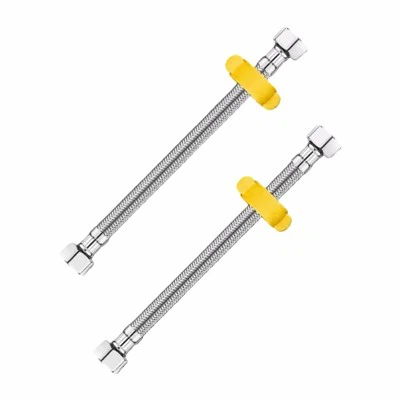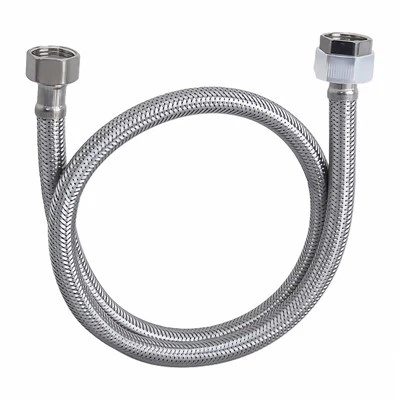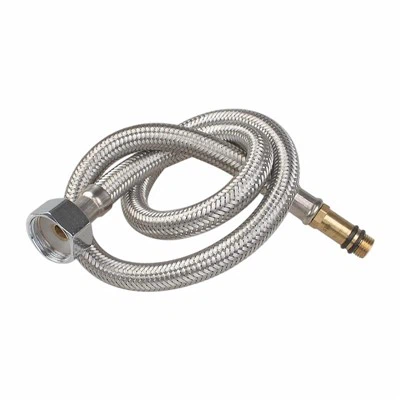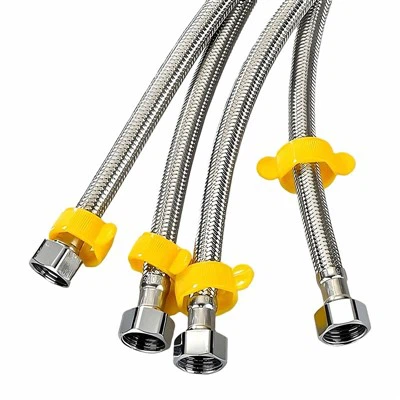
Navigating the complexities of domestic plumbing requires a solid understanding of the components that prevent catastrophic leaks. Among these, the Flexible Braided Water Hose has become the industry standard due to its unique blend of high-pressure resistance and physical adaptability. Most high-quality versions utilize a 304 stainless steel outer weave, which protects the internal EPDM or silicone tube from external abrasion and expansion under extreme heat. Industry analysts have recently noted a shift in the raw material market, where fluctuating nickel and chromium prices are driving manufacturers to refine their braiding techniques to maintain structural integrity without adding excessive weight. Unlike rigid pipework, these hoses allow for slight misalignments in faucet or toilet installations, effectively absorbing the vibrations of "water hammer" that might otherwise lead to joint failure over time. Professional plumbers typically categorize these products based on their "DN" rating, which indicates the internal diameter, ensuring that the flow rate matches the specific requirements of high-pressure showerheads or low-flow kitchen mixers.
Properly installing a Flexible Braided Water Hose is a straightforward task, yet it is often where minor errors lead to long-term issues. The first step involves checking that the rubber gaskets are seated perfectly flat within the nuts to prevent uneven sealing against the valve. When tightening, it is crucial to use a "hand-tight plus a quarter turn" approach; over-torquing with a heavy wrench can easily crush the washer or strip the threads, leading to a slow drip that might go unnoticed for weeks inside a cabinet. One significant difference between premium braided options and cheaper, generic alternatives is the quality of the crimp-the metal sleeve that joins the hose to the connector. A high-end hose features a seamless, thick-walled sleeve that resists corrosion and prevents the inner tube from popping out under sudden pressure spikes. To keep the system running smoothly, you should inspect the outer braid every few months for signs of "kinking" or frayed metal strands, especially in humid under-sink environments. Replacing a worn-out connector before it fails is a simple preventative measure that saves homeowners from the immense costs associated with emergency water damage repairs.