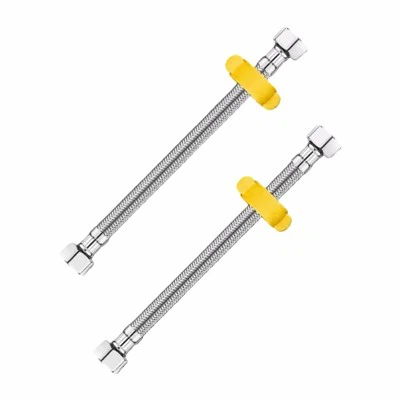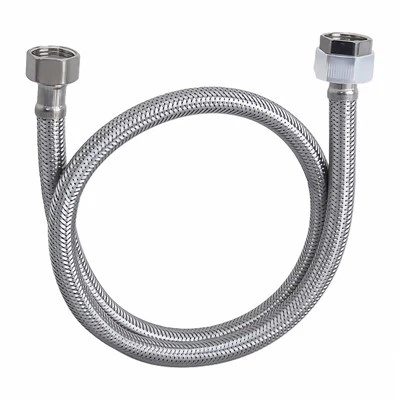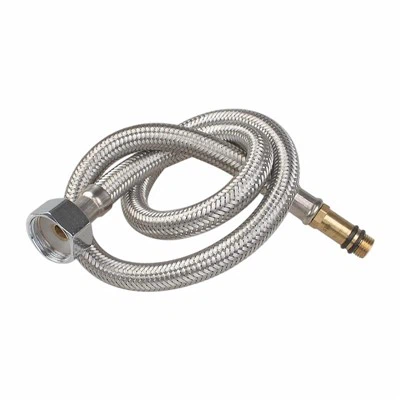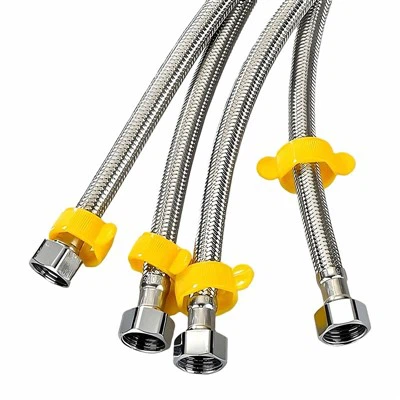
Homeowners and plumbing professionals often overlook the critical role that connection hoses play in the overall safety of a thermal system. Whether you are dealing with a solar thermal circuit or a high-pressure commercial boiler, the choice of a braided water heater supply line determines the long-term durability of the entire installation. In recent years, industry experts have moved away from traditional rigid copper tubing toward flexible, heat-resistant PTFE-lined options. This shift is largely driven by raw material innovations in fluoropolymer technology, which provide superior resistance to temperature spikes and chemical corrosion compared to standard EPDM liners found in cheaper alternatives. Recent dynamic news in the industrial plastics market highlights that high-grade PTFE remains the most stable choice for handling steady heat and sudden pressure changes without the risk of structural embrittlement. Selecting a line with a high-strength outer braid ensures that the internal hose is protected from physical damage while providing enough flexibility to navigate tight spaces during complex mechanical installs.
Properly setting up a braided water heater supply line involves a series of disciplined steps to prevent future leaks and ensure maximum flow efficiency. Before beginning the process, it is vital to shut off the main water source and verify that the pipe threads are clean and free of old sealant or debris. Start by hand-threading the connection nuts to avoid cross-threading, which is a common cause of failure in high-temperature series. Once the nuts are finger-tight, use a wrench to give them an additional quarter turn; over-tightening should be strictly avoided as it can compress the internal washer and compromise the seal. Unlike rigid copper connectors, these flexible lines do not require soldering, making them an ideal choice for quick replacements and emergency repairs. Periodic inspections for any signs of fraying or mineral buildup on the outer mesh will help identify potential issues before they lead to pipe failure. Trusting a thermally stable, high-pressure rated hose guarantees that your domestic hot water and heating systems run smoothly year after year, offering a reliable bridge between your appliances and the main plumbing infrastructure.