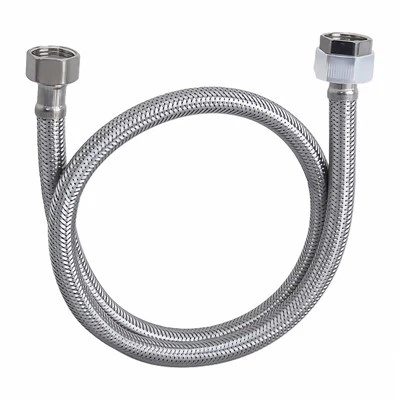

Woven nylon tubing is a versatile and widely used material in various industries, from plumbing to automotive applications. As a supplier of woven nylon tubing, I've had the opportunity to explore its many properties, including its acoustic characteristics. In this blog post, I'll delve into the acoustic properties of woven nylon tubing, discussing how they can impact its performance in different settings and applications.
Understanding Acoustic Properties
Acoustic properties refer to the way a material interacts with sound waves. These properties are crucial in many applications, as they can affect the quality of sound transmission, noise reduction, and overall acoustic performance. When it comes to woven nylon tubing, several key acoustic properties come into play:
Sound Absorption
Sound absorption is the ability of a material to absorb sound energy and convert it into heat. Woven nylon tubing can exhibit varying degrees of sound absorption depending on its structure and composition. The porous nature of the woven fabric allows sound waves to penetrate the material, where they are dissipated through friction and other mechanisms. This can help reduce noise levels in applications where sound control is important, such as in plumbing systems or industrial machinery.
Sound Transmission Loss
Sound transmission loss (STL) measures the ability of a material to block the passage of sound from one side to the other. Woven nylon tubing can provide a certain level of STL, which can be beneficial in applications where noise isolation is required. The thickness and density of the tubing, as well as the tightness of the weave, can all influence its STL. A denser weave and thicker tubing generally result in higher STL values, providing better noise insulation.
Resonance
Resonance occurs when a material vibrates at its natural frequency in response to an external sound source. Woven nylon tubing can exhibit resonance behavior, which can either enhance or detract from its acoustic performance. In some cases, resonance can be used to amplify sound, such as in musical instruments. However, in other applications, resonance can lead to unwanted noise or vibrations. Understanding the resonant frequencies of woven nylon tubing is important for optimizing its acoustic performance.


Factors Affecting Acoustic Properties
Several factors can influence the acoustic properties of woven nylon tubing. These include:
Material Composition
The type of nylon used in the tubing, as well as any additives or coatings, can affect its acoustic properties. For example, some types of nylon may have better sound absorption characteristics than others. Additionally, the presence of additives or coatings can alter the surface properties of the tubing, which can in turn affect its interaction with sound waves.
Weave Structure
The weave structure of the nylon tubing can have a significant impact on its acoustic properties. A tight weave can provide better sound insulation and absorption, while a looser weave may allow more sound to pass through. The pattern of the weave can also affect the way sound waves interact with the tubing.
Tubing Thickness
The thickness of the woven nylon tubing can influence its acoustic performance. Thicker tubing generally provides better sound insulation and absorption, as it has more material to absorb and block sound waves. However, thicker tubing may also be more rigid and less flexible, which can limit its use in some applications.
Environmental Conditions
The environmental conditions in which the woven nylon tubing is used can also affect its acoustic properties. For example, temperature and humidity can impact the density and flexibility of the tubing, which can in turn affect its sound absorption and transmission characteristics.
Applications of Woven Nylon Tubing Based on Acoustic Properties
The acoustic properties of woven nylon tubing make it suitable for a variety of applications. Here are some examples:
Plumbing Systems
In plumbing systems, woven nylon tubing can be used to reduce noise and vibration. The sound absorption properties of the tubing can help dampen the sound of water flowing through the pipes, reducing the noise level in the surrounding environment. Additionally, the tubing's flexibility and durability make it a popular choice for connecting various plumbing components.
Automotive Industry
In the automotive industry, woven nylon tubing can be used for a variety of applications, including fuel lines, brake lines, and air intake systems. The tubing's acoustic properties can help reduce noise and vibration in the vehicle, improving the overall driving experience. For example, the sound absorption properties of the tubing can help reduce the noise of the engine and other mechanical components.
Industrial Machinery
In industrial machinery, woven nylon tubing can be used to reduce noise and vibration. The tubing's sound absorption and transmission loss properties can help isolate the machinery from the surrounding environment, reducing the noise level in the workplace. Additionally, the tubing's flexibility and resistance to chemicals and abrasion make it a suitable choice for use in harsh industrial environments.
Musical Instruments
In musical instruments, woven nylon tubing can be used to enhance the sound quality. The tubing's resonance properties can be used to amplify and shape the sound produced by the instrument. For example, in wind instruments, the tubing can be used to control the airflow and resonance, resulting in a more rich and vibrant sound.
Our Woven Nylon Tubing Products
As a supplier of woven nylon tubing, we offer a wide range of products with different acoustic properties to meet the needs of various applications. Our Standard Shower Hose is a popular choice for plumbing applications, providing excellent sound absorption and durability. Our Bore Shower Hose is designed for high-pressure applications, offering superior sound insulation and resistance to bursting. And our Braided Shower Hose combines the strength of a braided structure with the acoustic properties of nylon, making it a versatile choice for a variety of applications.
Contact Us for Procurement
If you're interested in learning more about our woven nylon tubing products or have specific requirements for your application, we'd love to hear from you. Our team of experts can provide you with detailed information about the acoustic properties of our products and help you select the right tubing for your needs. Contact us today to start a discussion about your procurement requirements.
References
- ASTM International. (2019). Standard Test Method for Laboratory Measurement of Airborne Sound Transmission Loss of Building Partitions and Elements. ASTM E90-19.
- ISO 10140-2:2010. Acoustics - Laboratory measurement of sound insulation of building elements - Part 2: Measurement of airborne sound insulation.
- Beranek, L. L. (1988). Acoustics. American Institute of Physics.