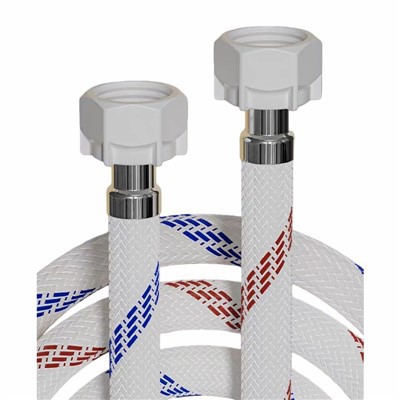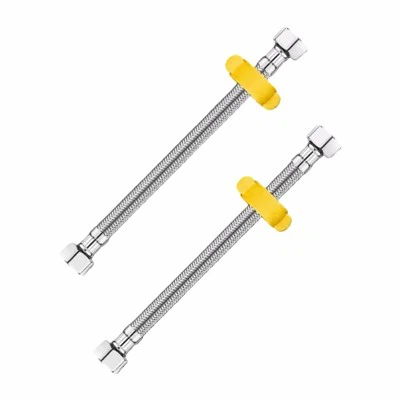

Hey there! As a supplier of standard shower hoses, I often get asked about how to test the water pressure of these hoses. It's an important aspect, whether you're a homeowner looking to upgrade your shower experience or a professional in the plumbing industry. In this blog, I'll walk you through the process step by step.
Why Test Water Pressure?
First off, you might be wondering why it's necessary to test the water pressure of a standard shower hose. Well, proper water pressure ensures a comfortable and efficient shower. If the pressure is too low, you'll end up with a weak stream that barely gets you clean. On the other hand, if it's too high, it can be a real pain in the neck – literally! High pressure can cause the water to come out in a forceful, uncomfortable way and might even damage the hose over time.
Tools You'll Need
Before you start testing, you'll need a few tools. The most important one is a water pressure gauge. You can pick one up at your local hardware store or order it online. It's a relatively inexpensive tool, and it'll be super useful not just for testing your shower hose but for other plumbing tasks too. You'll also need a wrench to attach the gauge to the shower hose. Make sure it's the right size for the fittings on your hose.
Step-by-Step Testing Process
Step 1: Turn Off the Water
This might seem obvious, but it's crucial. Before you start tinkering with the shower hose, turn off the water supply. You don't want to end up with a flood in your bathroom! Usually, there's a shut - off valve near the shower or in the main water supply line.
Step 2: Remove the Showerhead
Use your wrench to carefully remove the showerhead from the shower hose. Be gentle so you don't damage the threads on either the hose or the showerhead. Once it's off, set the showerhead aside in a safe place.
Step 3: Attach the Pressure Gauge
Now, take your water pressure gauge and attach it to the end of the shower hose where the showerhead was. You might need to use some Teflon tape to ensure a tight seal. Wrap the tape around the threads of the hose a few times in a clockwise direction, and then screw the pressure gauge onto the hose using the wrench.
Step 4: Turn On the Water
Once the pressure gauge is securely attached, slowly turn on the water supply. Keep an eye on the gauge as the water starts flowing. The gauge will show you the water pressure in pounds per square inch (PSI).
Step 5: Read the Pressure
Let the water run for a few seconds to stabilize the pressure, and then read the number on the gauge. A standard shower hose typically works best with a water pressure between 40 - 60 PSI. If the reading is below 40 PSI, you might have low water pressure, and if it's above 60 PSI, the pressure is too high.
What to Do If the Pressure Is Off
If you find that the water pressure is too low, there could be a few reasons. It might be due to a clogged showerhead, a problem with the water supply line, or even an issue with your plumbing system. You can try cleaning the showerhead or checking for any kinks in the hose. If the problem persists, you might want to call a professional plumber.
On the other hand, if the pressure is too high, you can install a pressure - reducing valve. This valve will help regulate the water pressure and keep it at a safe and comfortable level for your shower hose.
Our Standard Shower Hoses
At our company, we offer a wide range of high - quality standard shower hoses. We understand the importance of proper water pressure, and our hoses are designed to handle a variety of pressure levels. Whether you're looking for a Bore Shower Hose or a Braided Shower Hose, we've got you covered. Our hoses are made from durable materials that can withstand normal wear and tear, ensuring a long - lasting and enjoyable shower experience.


We also offer an Explosion - proof Connection Pipe for Water Heater. This is a great addition to your shower setup, especially if you're concerned about safety. It provides an extra layer of protection and helps prevent any potential accidents.
Conclusion
Testing the water pressure of a standard shower hose is a simple yet important process. By following the steps I've outlined above, you can ensure that your shower has the perfect water pressure. And if you're in the market for a new shower hose or related products, don't hesitate to reach out. We're here to help you find the best solutions for your needs. Whether you're a homeowner, a contractor, or a business looking to stock up on quality shower hoses, we're the supplier you can trust. Contact us today to start a conversation about your procurement needs, and let's work together to make your shower experience the best it can be.
References
- "Plumbing for Dummies", by Richard Trethewey and Roy Barnhart
- "The Homeowner's Guide to Plumbing Repairs", by Robert Korpics