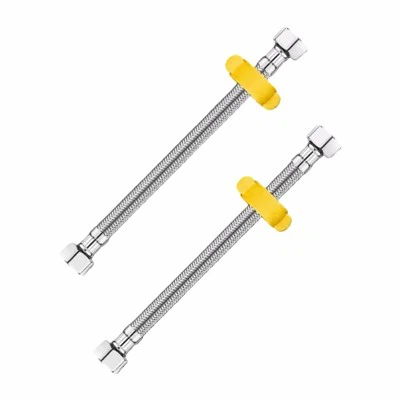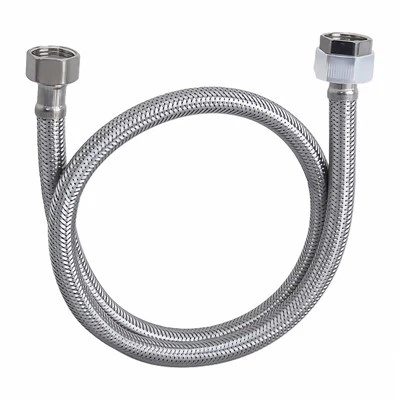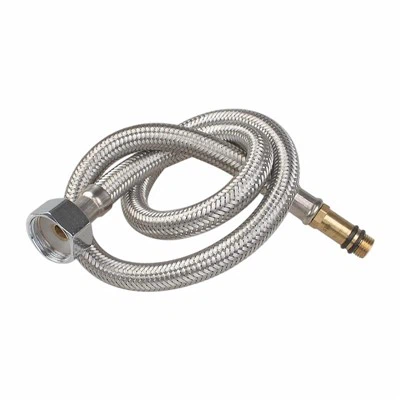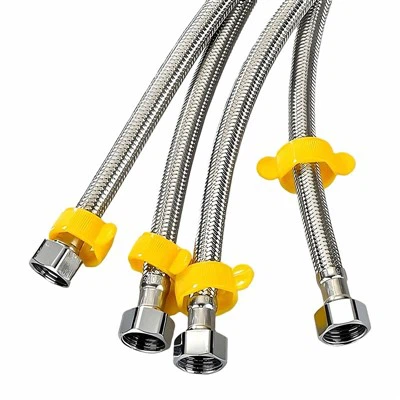
Residential plumbing systems are under constant pressure, and the weakest link is often the flexible connection between the tap and the spray head. A high-quality Pull-out Shower Hose must bridge the gap between heavy-duty industrial performance and sleek home aesthetics. The construction usually involves a "burst-proof core plus smooth outer sheath" system designed to handle high water pressure while remaining quiet during use. Industry insiders are currently closely monitoring the market for 304 stainless steel braiding, as a higher weave density-typically 85% or more-ensures the hose doesn't expand or deform under sudden thermal changes. Inside this metal armor sits an EPDM or silicone tube, both of which have largely replaced older PVC models because they are BPA-free and resistant to the mineral buildup that plagues hard-water regions. A robust Pull-out Shower Hose also relies on material suppleness to remain functional for decades. This flexibility allows for a tight bending radius without compromising the inner diameter, which is a frequent failure point in generic residential hardware. Professional consultations suggest that choosing a wire diameter of 0.20 mm or higher is the best way to avoid the fatigue-induced leaks that often develop in thinner, budget-friendly alternatives found in big-box retail stores. Recent news from raw material suppliers indicates that the cost of high-grade silicone is rising, yet premium manufacturers refuse to downgrade, prioritizing long-term health over immediate profit margins.
Operating a flexible faucet system involves mechanical wear that stationary fixtures never encounter, making the retraction mechanism a critical focus for any durability assessment. Relying on a certified Pull-out Shower Hose requires a smooth, quiet motion, which is facilitated by an outer sheath often made of elastic fiber or wear-resistant polymers that reduce friction against the faucet body. Installation should be approached with a systematic three-step process: verify that the sealing washers are properly seated, connect the threaded ends by hand to prevent cross-threading, and finally, conduct a high-pressure test to check for weeping at the joints. It is also important to verify that the counterweight or spring system is properly calibrated so the hose does not drag against the interior cabinet walls. Unlike traditional fixed shower lines, the versatility of the Pull-out Shower Hose allows for the precise cleaning of complex sink shapes and easy rinsing of the surrounding tiled surfaces. Rigorous testing protocols at the factory level, including salt spray tests for corrosion and over 10,000 cycle fatigue tests, distinguish these professional units from general consumer goods. For those living in areas with high water salinity or coastal humidity, a 304-grade stainless steel braid is mandatory to prevent pitting and rust. By focusing on these technical specifications, homeowners can ensure that their Pull-out Shower Hose stands as a silent and reliable service that meets the most demanding household requirements for many years to come.