

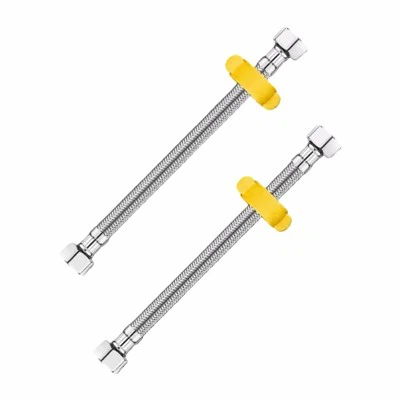
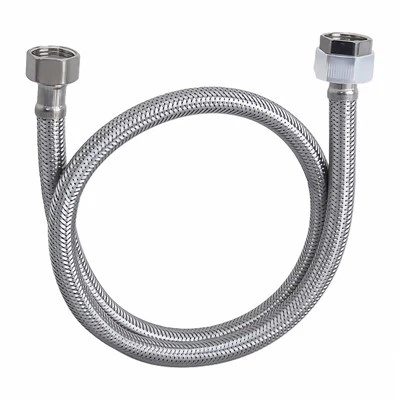
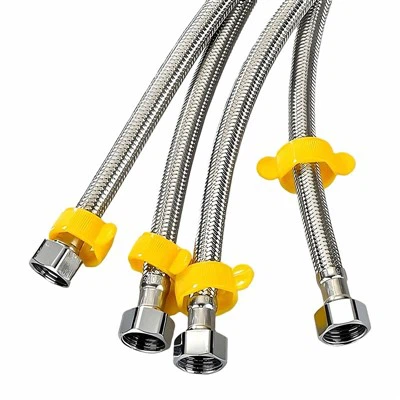
Choose High-Quality Materials: Prefer hoses with a 304 stainless steel outer layer and an EPDM (ethylene propylene diene monomer) rubber inner tube. This type of material is high-temperature resistant, aging-resistant, highly flexible, and has a longer service life.
Avoid using pure PVC or low-quality rubber hoses, as they are prone to cracking and leaking.
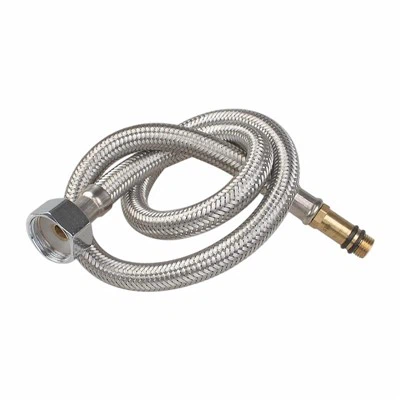
Confirm Connector Size: The standard shower hose connector is a 1/2-inch nominal diameter (G1/2) thread. Before purchasing, you can bring your old hose or measure the thread size to ensure a proper fit.
Check for Sealing: When installing, you can wrap a small amount of Teflon tape around the threads or apply a little sealant to improve sealing, but avoid overuse, which could block the threads.
Regular Inspection and Replacement: Even if there are no obvious leaks, it is recommended to check the hose every 2–3 years. If you find rust on the outer layer, bulging of the inner tube, or loose connectors, replace it promptly to prevent sudden bursts.
Shower Hose Installation and Purchasing Recommendations


Send Inquiry